Industry: Others
Hiring a virtual assistant is one of the easiest ways to free up time for the work that grows a business. Instead of spending hours on emails, scheduling and repetitive tasks, you delegate them to someone who handles them remotely. Spona's guide to hiring a virtual assistant explains the basics.
Someone who works remotely and supports a business with different tasks. Most work from home or another location, on a freelance or contract basis, often across time zones. That makes them flexible even if they are in another country.
Simple, repetitive work: emails, scheduling, basic research, data entry, customer support replies, CRM upkeep, social media scheduling, document preparation. Some are specialists in one area. Others are generalists who switch between tasks as needed.
• Increased productivity. Delegating repetitive work gives you time for planning and decisions without longer hours.
• Cost efficiency. Usually more affordable than a full-time employee, with no office space or equipment.
• Flexible staffing. A few hours a week, a short project, or ongoing support.
• Access to specialized skills in marketing, support, sales or operations without a full-time specialist.
• Scalability. Increase the workload as you grow, scale back when things slow.
• Better focus for the team, which usually means better performance and less burnout.
Usually when day-to-day tasks start to overwhelm the owner or team.
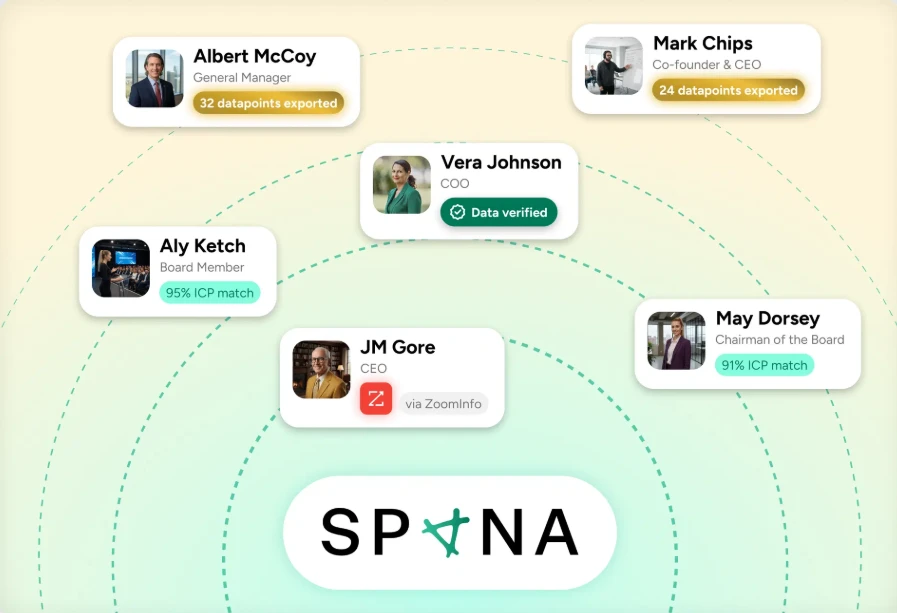
VAs commonly handle CRM management, lead research and appointment booking. Lead research is where a caution applies: a VA copying contacts from the web produces a list that needs verifying before anyone calls it. Spona's guide to sales prospecting explains why research before outreach matters, and Spona delivers verified contacts that a VA can load straight into the CRM. Related reading: B2B sales outsourcing for handing off more than admin.

Keep updated with our
 Subscribe